The fixation of the MAGA movement and the broader American far right on Somali communities is not accidental. Nor is it rooted in crime, culture, or national security, as their rhetoric often claims. It is rooted in something far more revealing: fear—fear of Somali success, visibility, and permanence in American public life.
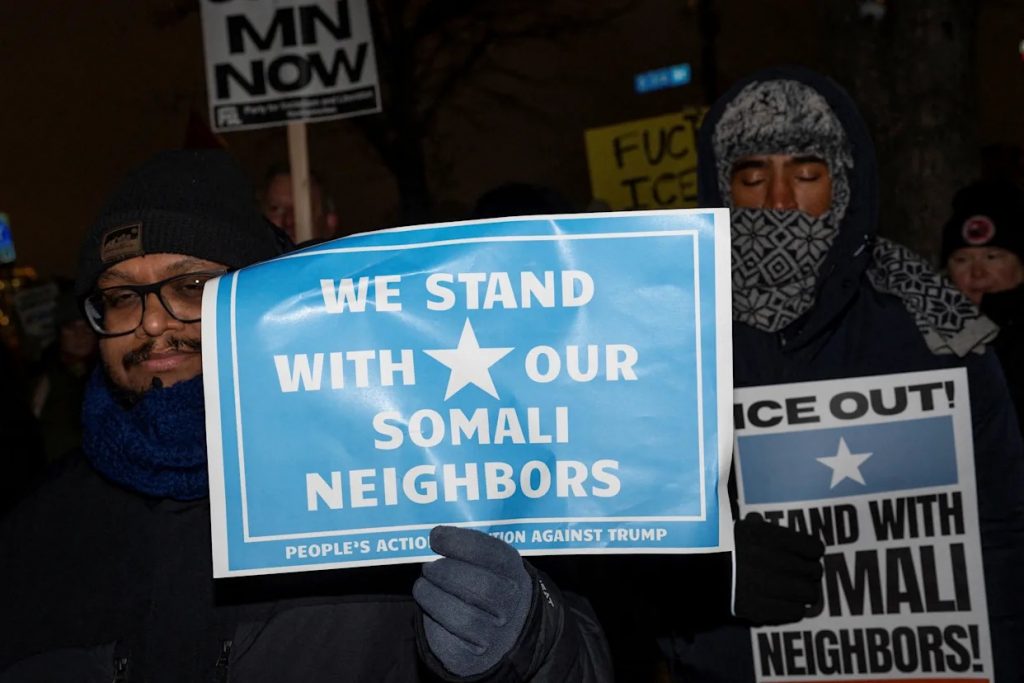
Across the United States, Somalis have become one of the most civically engaged and upwardly mobile immigrant communities of the past three decades. They are young, energetic, and increasingly confident in claiming their place within America’s democratic institutions. This has unsettled segments of the far right who are accustomed to power without competition and status without merit.
Somalis are succeeding across virtually every sector. They are graduating from universities, entering healthcare, technology, education, law enforcement, and the armed forces. They are becoming police officers, nurses, engineers, teachers, and entrepreneurs. In cities once written off as declining, Somali-owned businesses have revived neighbourhoods and created jobs.
Perhaps most unsettling for reactionary movements is that Somalis are not content to remain invisible. They are running for school boards, city councils, mayoral offices, state legislatures, and even Congress. They are participating fully in the democratic process—voting, organising, and shaping policy. This level of civic engagement directly challenges a political culture that seeks to narrow who belongs and who gets to lead.
At the same time, Somali communities have managed to integrate without erasing themselves. They retain their language, faith, and cultural values, while also questioning dominant financial and social systems—particularly those involving exploitative lending and moral contradictions. This combination of integration without assimilation disrupts a long-standing expectation that minorities must abandon their identity to be accepted.
Equally important is the moral clarity many Somali Americans bring to public discourse. They have consistently stood on the side of justice—speaking out against racism, inequality, and foreign policy double standards. They emphasise family, community responsibility, and ethical living at a time when many Americans feel alienated from political and social institutions.
None of this sits comfortably with far-right movements that rely on fear and division. For them, Somali visibility represents a loss of control. The narrative of “law and order” is weaponised not as a genuine concern for public safety, but as a tool to delegitimise an entire community. While individuals in every society may commit crimes—and should be held accountable under the law—what Somali Americans face today is not accountability. It is collective suspicion and political targeting.
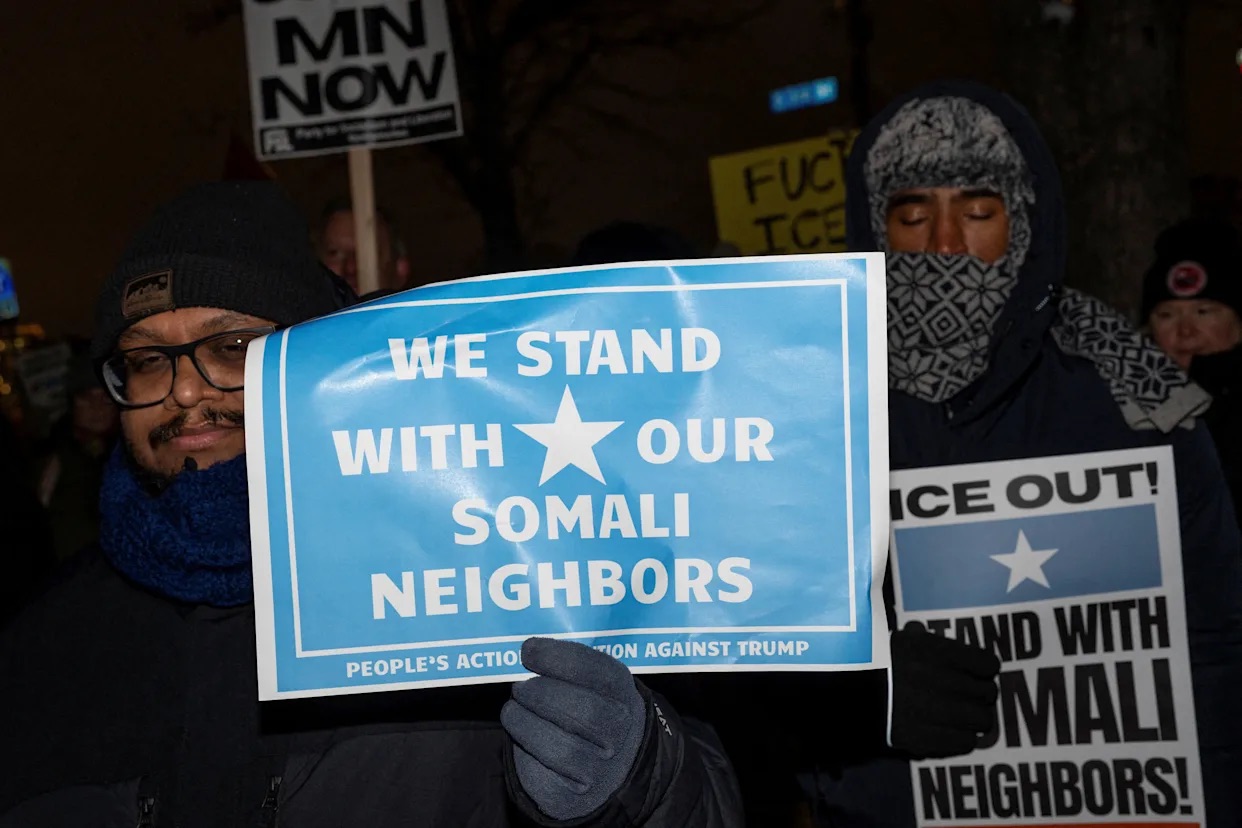
Yet beyond the noise of extremist rhetoric lies a quieter truth. Millions of Americans know Somali families as neighbours, colleagues, classmates, and friends. They know them as reliable, hardworking, and community-minded. The attempt to paint an entire people as a threat collapses under everyday lived experience.
The far right may dominate headlines, but it does not define America’s future. Somali Americans will remain long after Donald Trump and the MAGA movement fade from political relevance. They will continue to build, contribute, and prosper—because resilience is woven into their history.
If political leaders are serious about addressing America’s challenges, they would do better to focus on broken promises, rising crime driven by inequality, an escalating cost of living, and the prioritisation of foreign spending while ordinary Americans struggle to make ends meet. Scapegoating a thriving immigrant community may mobilise a base, but it solves nothing.
Somali Americans, like water finding its path despite obstruction, will continue to move forward—patient, innovative, and unyielding.