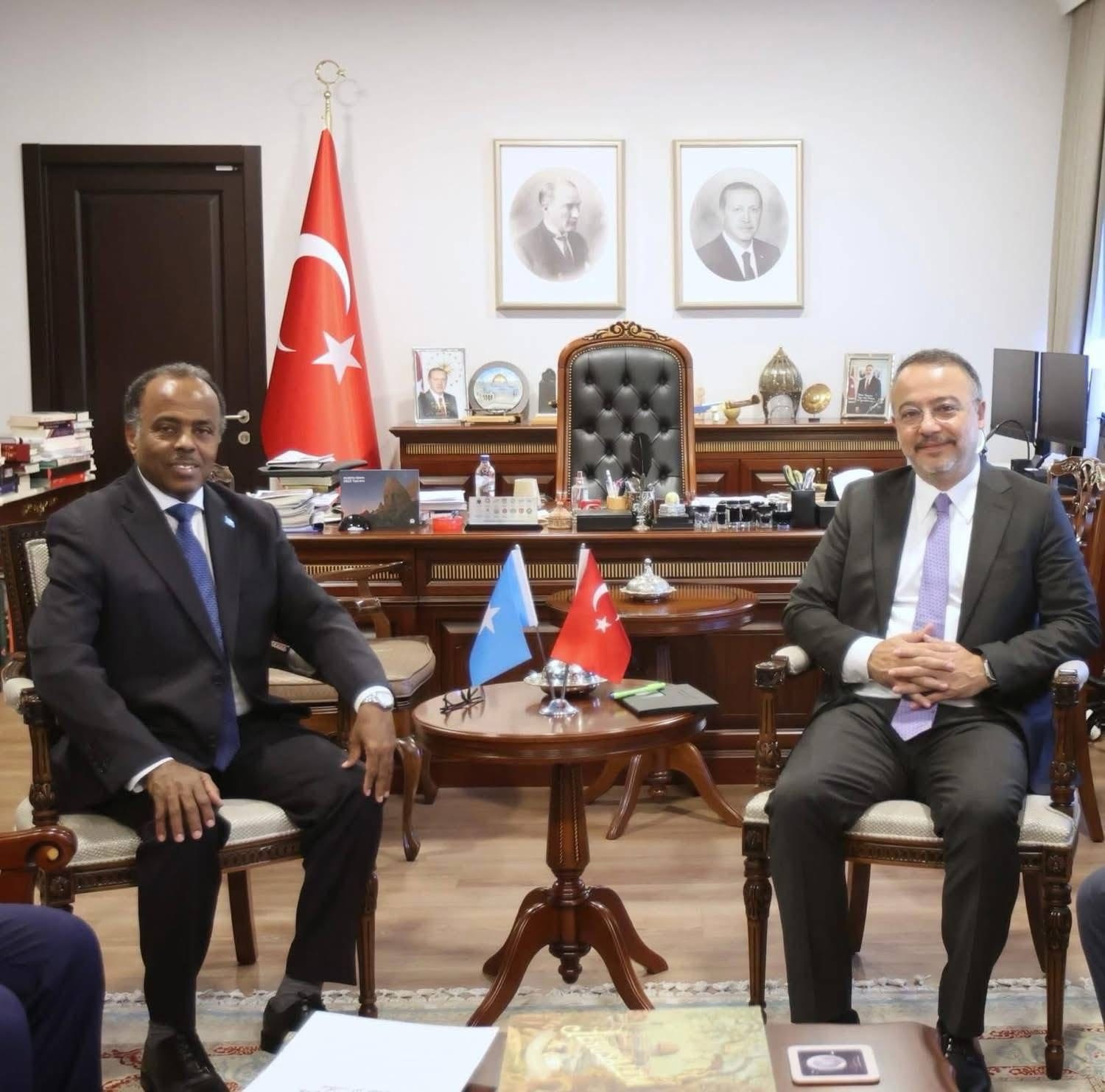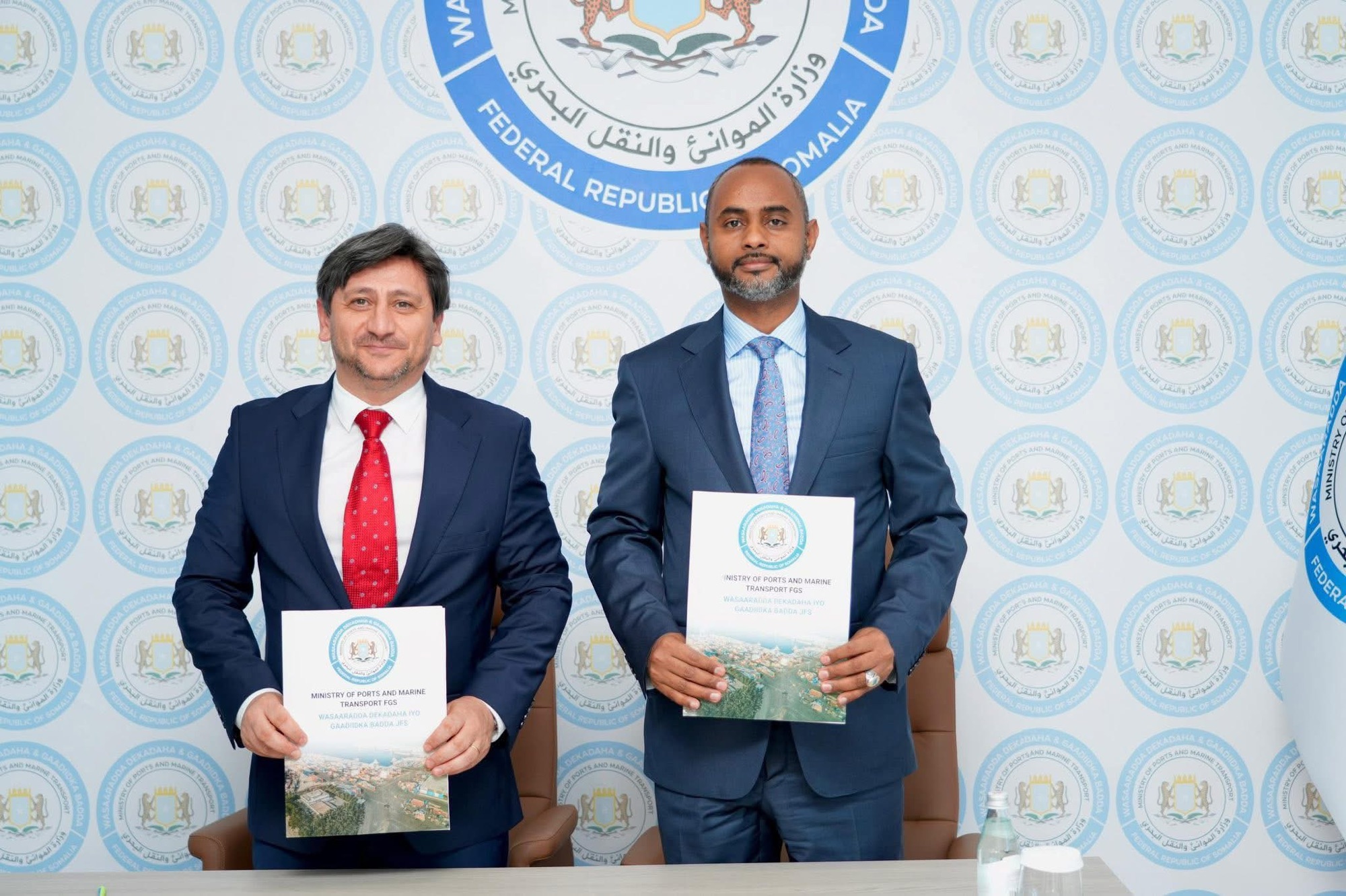
In recent years, Somalia’s growing partnership with Turkey has sparked a heated debate among citizens, analysts, and policymakers. The latest developments—such as the registration of a Somali-flagged vessel through a Turkish company and reports of fishing licenses granted to Turkish firms—have intensified concerns. Combined with Turkey’s existing role in managing key infrastructure like ports and airports, many are beginning to ask a difficult question: Is Somalia becoming overly dependent on a single foreign partner?
While some critics go as far as using terms like “Turkistan” to describe the situation, the reality is more complex. Somalia is a country in recovery, seeking investment, stability, and growth after decades of conflict. However, this raises a critical issue: Are these partnerships mutually beneficial, or do they disproportionately favor foreign interests?
Somalia’s Need for Foreign Investment
There is no denying that Somalia urgently needs international partnerships. The country requires modern infrastructure, job creation, and economic revitalization. Turkey has been one of the most visible and active partners in this effort.
From rebuilding roads and hospitals to managing strategic assets such as Mogadishu’s port and airport, Turkish involvement has contributed to visible improvements. These developments have helped restore basic services and boosted confidence in Somalia’s economic potential.
For many Somalis, this cooperation is welcome. It brings hope, opportunity, and tangible progress.
The Growing Concern: Over-Reliance on One Partner
However, concerns arise when too much influence is concentrated in the hands of a single foreign country.
When one nation plays a dominant role across multiple sectors—shipping registration, fishing rights, infrastructure management—it can lead to economic dependency. This dependency may limit Somalia’s ability to negotiate better terms in the future or diversify its partnerships.
Critics argue that such a situation creates an imbalance of power. The country providing investment and expertise may gain not only economic benefits but also political leverage.
This is where the debate becomes more serious.
Key Questions Around Transparency and Fairness
At the heart of the issue is not whether Turkey—or any foreign country—should invest in Somalia. The real concern is how these agreements are structured.
Somali citizens are increasingly asking:
Are these deals transparent and publicly disclosed?
What percentage of revenue remains in Somalia?
How long do these agreements last?
Are local workers and businesses benefiting?
Is knowledge and management being transferred to Somali institutions?
Without clear answers, skepticism is inevitable.
Transparency is essential not only for public trust but also for ensuring that agreements serve the long-term interests of the nation.
Economic Benefits vs Long-Term Risks
Foreign partnerships can deliver short-term gains—improved infrastructure, increased efficiency, and immediate investment. But without proper safeguards, they can also create long-term risks.
Potential Benefits:
Improved infrastructure and services
Increased foreign direct investment (FDI)
Job creation and skills development
Enhanced global partnerships
Potential Risks:
Loss of control over strategic assets
Unequal revenue-sharing agreements
Limited opportunities for local businesses
Long-term economic dependency
The challenge for Somalia is to strike the right balance.
The Role of Weak Institutions
One of the biggest factors influencing these outcomes is the strength of Somalia’s institutions.
In countries where governance systems are still developing, it becomes easier for foreign companies to negotiate deals that heavily favor their own interests. This is not unique to Somalia—it is a common challenge in many developing economies.
Strong institutions, clear regulations, and effective oversight are crucial to ensuring fair agreements.
Without them, even well-intentioned partnerships can lead to unintended consequences.
Turkey’s Strategic Interests
It is also important to understand that Turkey, like any other country, acts in its own national interest.
Its involvement in Somalia provides:
Access to economic opportunities in an emerging market
Strategic influence in the Horn of Africa
Long-term commercial prospects
This is standard in international relations. The responsibility lies with Somalia to ensure that these interests align with its own development goals.
What Do Somali Citizens Want?
Despite the debate, most Somalis are not opposed to foreign investment. On the contrary, there is strong support for partnerships that bring development and opportunity.
However, citizens want:
Fair and transparent agreements
Job opportunities for locals
Protection of national resources
Long-term economic independence
They want to see a system where Somalia benefits just as much—if not more—than its partners.
The Way Forward: Balanced and Transparent Partnerships
The solution is not to reject foreign involvement but to manage it wisely.
Somalia must prioritize:
1. Transparency
All major agreements should be publicly disclosed and subject to scrutiny.
2. Fair Negotiation
Contracts must ensure equitable revenue sharing and long-term benefits.
3. Diversification
Relying on multiple international partners reduces dependency and increases bargaining power.
4. Capacity Building
Foreign partnerships should include training and knowledge transfer to Somali institutions.
5. Strong Governance
Improving institutional capacity is essential for protecting national interests.
Conclusion
The idea that Somalia is becoming “Turkistan” may be an exaggeration, but it reflects a genuine concern among the public.
Somalia stands at a critical crossroads. It needs foreign investment and international cooperation to rebuild and grow. However, this must not come at the cost of its economic sovereignty.
The real issue is not who Somalia partners with—but how those partnerships are structured.
If managed properly, these relationships can drive long-term prosperity. If not, they risk creating a new form of dependency that could limit the country’s future.
Ultimately, Somalia’s success will depend on its ability to secure fair, transparent, and balanced agreements that protect its resources, empower its people, and ensure sustainable development for generations to come.