The Somali community in the UK has, over the past three decades, quietly built a record of achievement across sport, public service, and business. From Olympic champions to emerging entrepreneurs, British Somalis are increasingly visible in national life.
As discussions around immigration, integration, and identity continue in the United Kingdom, the story of Somali success in the UK offers a more complex and often overlooked narrative—one defined by resilience, ambition, and contribution.
🏅 Sporting Excellence: A Global Stage
Few names resonate more strongly in British sport than Mo Farah. Born in Somalia and raised in the UK, Farah became one of the most decorated long-distance runners in history, winning multiple Olympic and world titles.
His achievements did more than secure medals—they reshaped perceptions of Somali migrants in Britain.
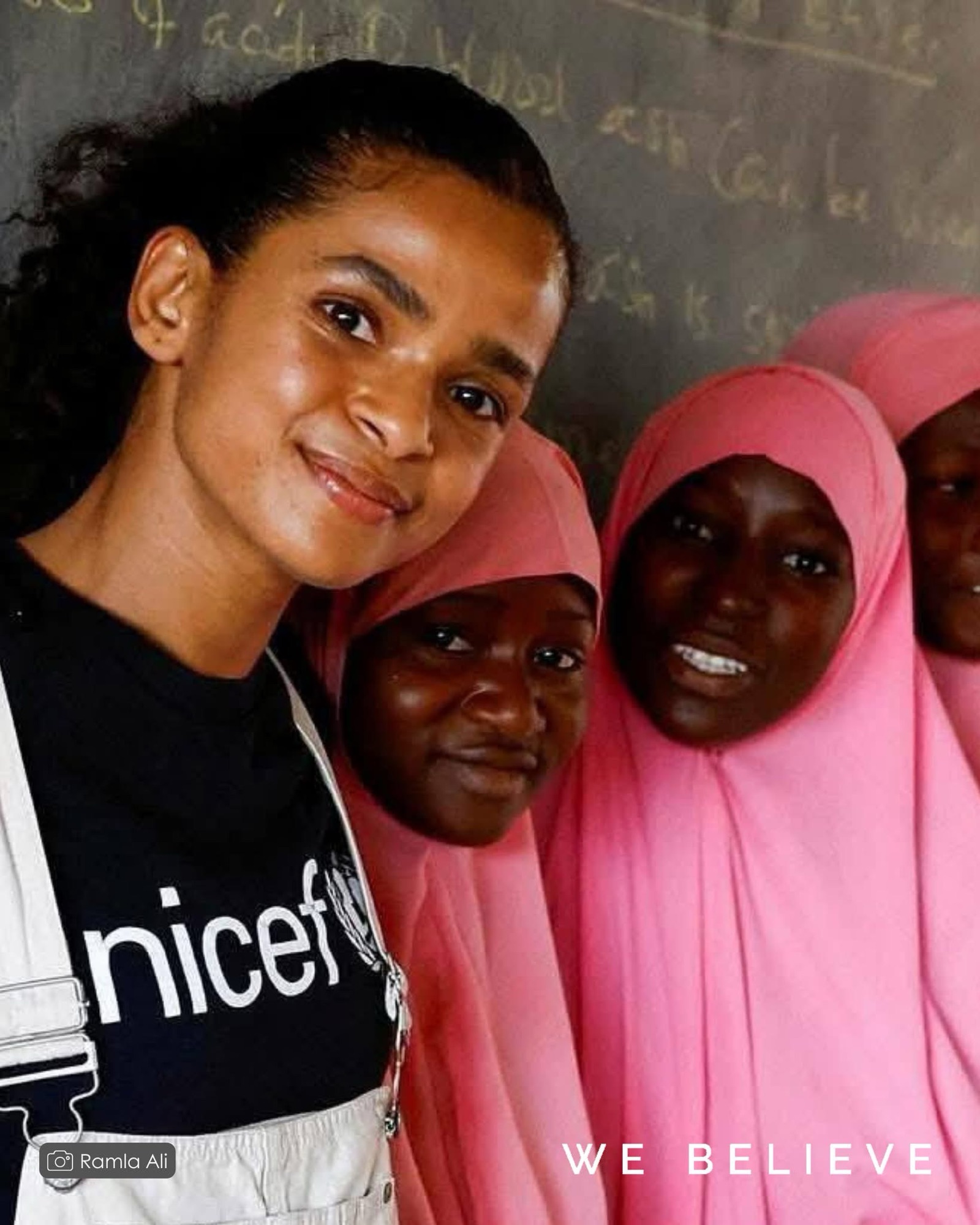
In boxing, Ramla Ali has emerged as a pioneering figure. As one of the first Somali-British female boxers to gain international recognition, she has challenged cultural norms while inspiring a new generation of young women.
Together, these athletes highlight a broader trend: the growing presence of Somali athletes in the UK across multiple disciplines.
🏛️ Public Service and Government Representation
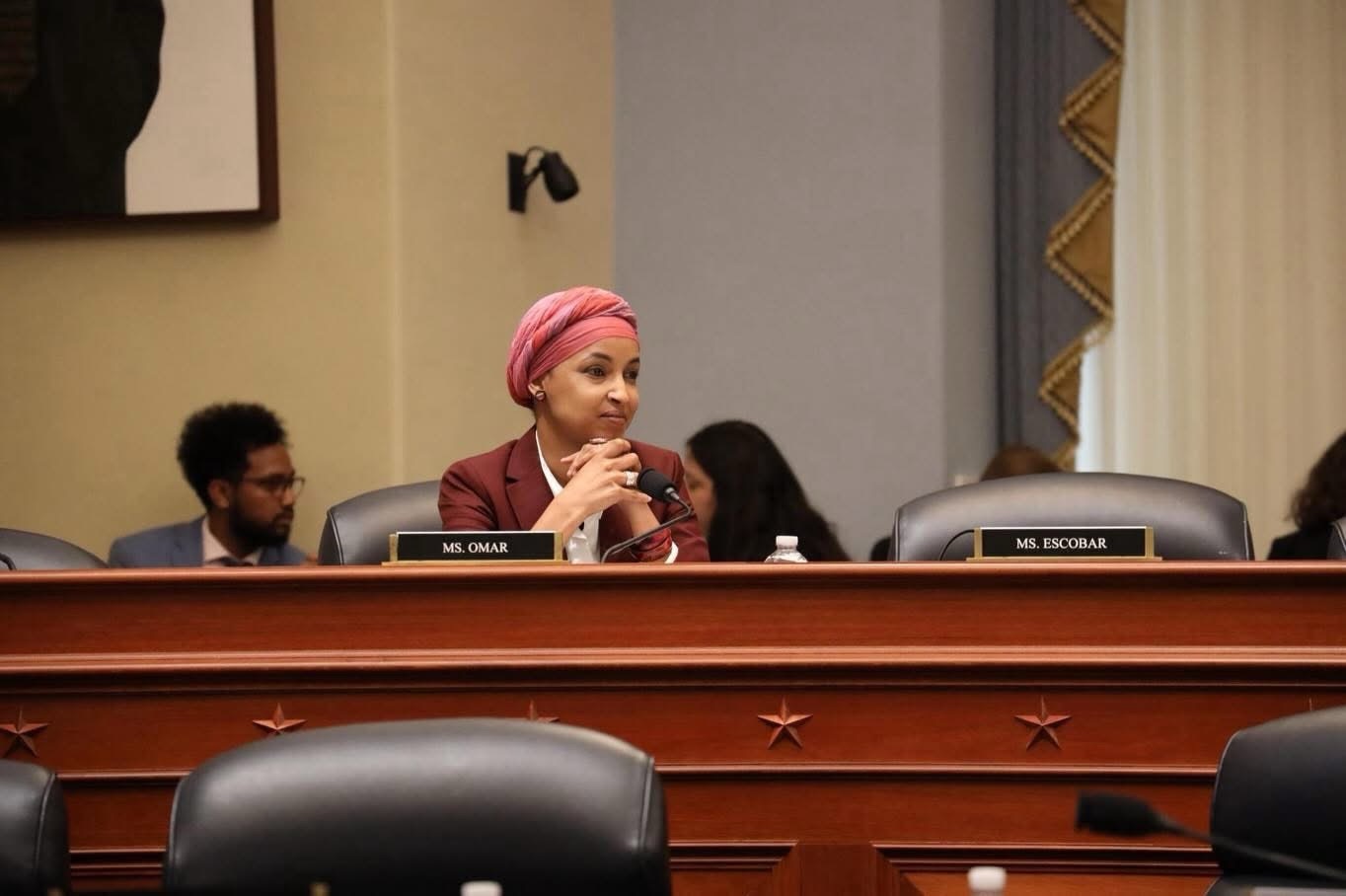
Beyond sport, British Somalis are increasingly contributing to the UK’s public sector.
From local councils to national institutions, individuals of Somali heritage are working in:
Local government
Education
Healthcare (including the NHS)
Civil service roles
This growing participation reflects a shift from early settlement challenges to deeper civic engagement. In areas such as London, Somali professionals are playing a role in shaping policies that affect diverse communities.
The rise in representation also signals increasing political awareness within the UK Somali community, particularly among younger generations.
💼 Business and Entrepreneurship
Entrepreneurship has long been a cornerstone of the Somali diaspora in the UK.
Across cities like London, Birmingham, and Manchester, Somali-owned businesses operate in sectors such as:
Retail and wholesale
Logistics and transport
Food and hospitality
Digital startups
Many of these businesses began as small, family-run ventures but have grown into sustainable enterprises serving both Somali and wider communities.
In recent years, there has been a noticeable shift towards Somali entrepreneurs in the UK entering technology, e-commerce, and professional services—signalling a diversification of economic activity.
🎓 Education and a New Generation
A new generation of British Somalis is coming of age with greater access to education and opportunity.
Universities across the UK are seeing increasing numbers of Somali students pursuing degrees in:
Law
Medicine
Finance
Engineering
This educational progress is gradually translating into professional advancement, with more Somali graduates entering high-skilled careers.
However, challenges remain. Attainment gaps and socio-economic barriers continue to affect some segments of the community, particularly in under-resourced urban areas.
⚖️ Challenges Behind the Progress
Despite these successes, the Somali community in the UK still faces structural challenges.
These include:
Higher-than-average unemployment rates
Housing pressures in major cities
Social integration barriers
Youth disengagement in certain areas
Community organisations and grassroots initiatives have stepped in to address these issues, focusing on mentorship, education support, and social inclusion.
🌍 Identity, Representation, and the Future
For many British Somalis, identity is shaped by a balance between heritage and belonging. While maintaining strong cultural ties to Somalia, younger generations are also defining what it means to be both Somali and British.
Figures like Mo Farah and Ramla Ali have played a role in normalising Somali representation in mainstream British culture.
Looking ahead, the trajectory of the Somali diaspora in the UK points towards greater visibility, influence, and integration.
The story of Somali success in the UK is not limited to a few high-profile individuals. It is a broader narrative of a community that has moved from the margins towards meaningful participation in national life.
From Olympic stadiums to local businesses and public institutions, British Somalis continue to contribute to the social and economic fabric of the United Kingdom—often against significant odds.
As this trajectory continues, their impact is likely to become even more pronounced in the years ahead.