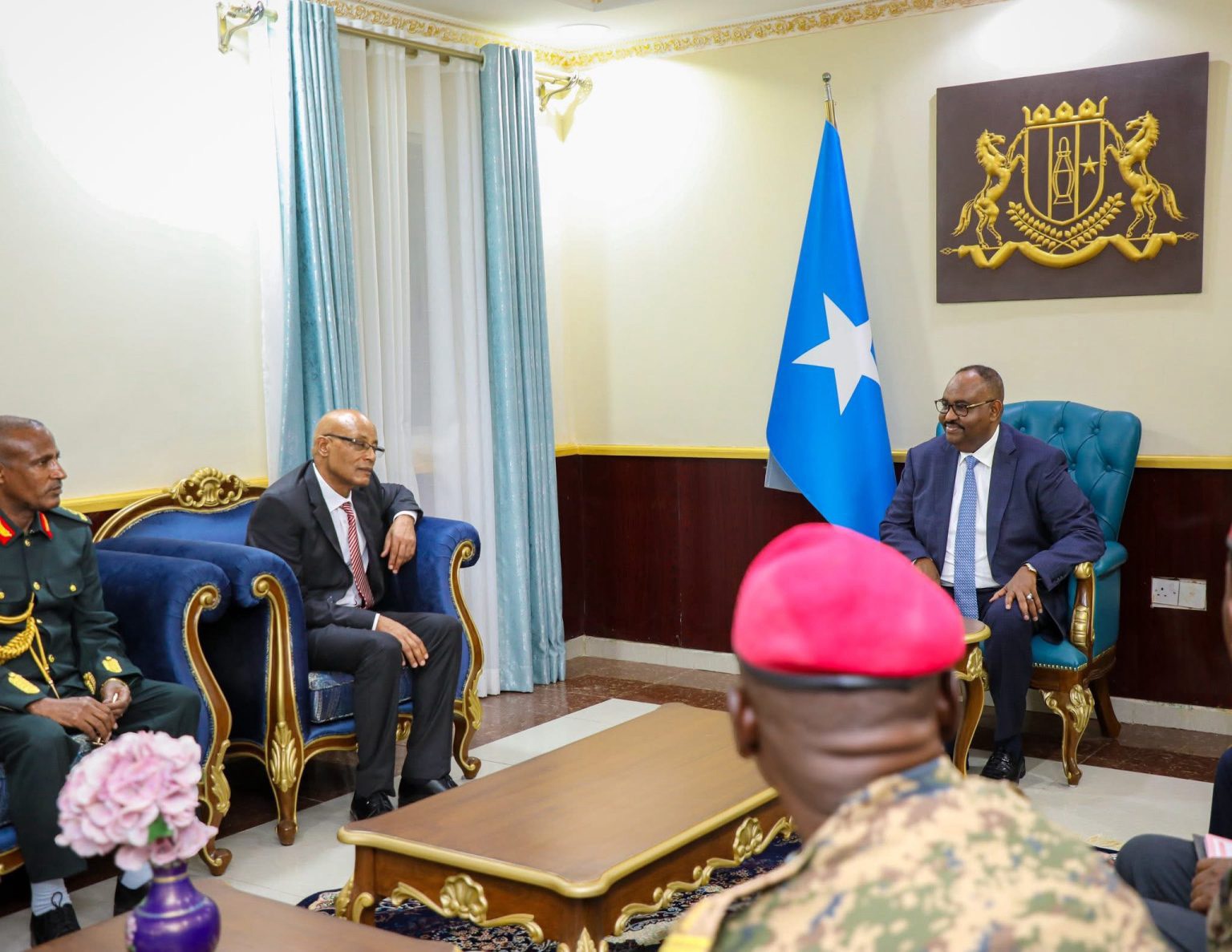
The recent meeting between Said Abdullahi Deni and senior Ethiopian officials in Garowe has sparked renewed debate about the boundaries of authority within Somalia’s federal system. While framed as a step toward strengthening security and regional cooperation, the engagement raises serious constitutional and political concerns about the role of regional leaders in foreign affairs.
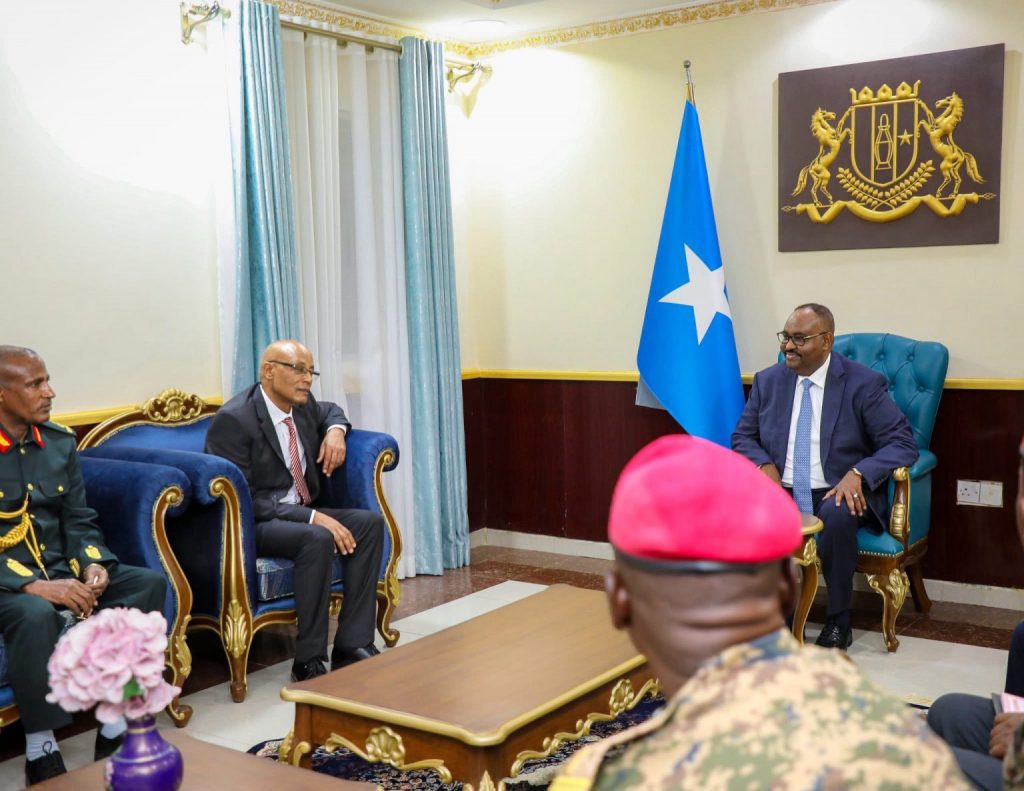
At the center of the controversy is a fundamental principle: in a federal state, foreign policy and national security coordination are typically reserved for the central government. When a regional administration engages directly with a foreign government—particularly on sensitive issues such as counter-terrorism and military cooperation—it risks blurring the lines of authority and weakening the coherence of national policy.
By holding direct talks with Ethiopian military representatives, President Deni appears to have stepped into a domain that many argue belongs exclusively to the federal government in Mogadishu. This kind of parallel diplomacy can create mixed signals internationally, where foreign partners may begin to treat regional states as independent actors rather than components of a unified الدولة. Over time, this could erode the authority and legitimacy of federal institutions.
Critics also warn that such actions may set a precedent. If other federal member states follow a similar path—negotiating their own security arrangements or partnerships—the result could be a fragmented national security framework. In a country already facing complex security challenges, including the threat of extremist groups, lack of coordination can undermine collective efforts and create operational gaps.
Supporters of Puntland’s approach might argue that regional governments are on the front lines of security challenges and therefore need flexibility to act swiftly. However, even in such cases, coordination with the federal government remains essential to ensure alignment with national strategy and to avoid duplication or conflict.
Ultimately, the issue is not just about one meeting—it is about the integrity of Somalia’s federal system. For federalism to function effectively, there must be clear respect for constitutional roles. When regional leaders engage in state-level diplomacy without federal oversight, it risks weakening national unity at a time when cohesion is most needed.
The challenge for Somalia moving forward is to strike a balance: empowering regional administrations to address local realities, while maintaining a strong, coordinated federal authority over matters that affect the nation as a whole.